Thai Researcher Reinvents Toilets for Urban Poor
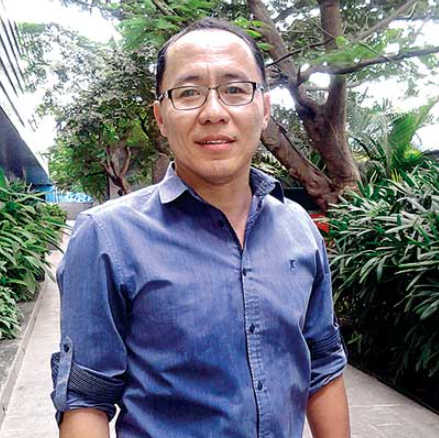
Studies show that while 900 million people in India have access to mobile phones, about 600 million have no access to proper toilets. This interesting fact set the tone for our conversation with Dr. Thammarat Koottatep, who has about 18 years of experience in environmental engineering, wastewater treatment, and decentralised sanitation technologies and planning.
A researcher at the Asian Institute of Technology (AIT) in Thailand, Koottatep, was in the city on Saturday about his ongoing research on the subject of reinventing toilets in the countries that received a $5 million grant from the Bill and Melinda Gates Foundation.
“Before coming up with this project, we conducted a study and realised that there are two fundamental sanitation challenges. The first is to expand and improve sanitation without central sewers because this is by far the most common type of sanitation service used by the poor, and the other is to make sanitation services safe and sustainable by addressing the failure to effectively transport, treat and reuse waste captured in on-site facilities,” said Koottatep.
Currently, about four colleges in the world, i.e. Indian Institute of Technology (Mumbai), Vishwakarma Institute of Technology (Pune), Thammasat University (Thailand), and Ho Chi Minh University (Vietnam), are working on the invention and prototyping of Decentralized Wastewater Treatment Systems (DEWATS) technology that treats and discharges a pathogen-free domestic effluent, and ready- for-reuse products.
This prototype technology is field-tested for single families, apartment blocks, and community wastewater management. Bangkok and Pune will be the two cities where the prototype will be undertaken.
“Through this project, we aim to create a toilet, which will process wastewater in homes and convert it into electricity and biogas, reducing the costs for the urban poor users and preventing various diseases due to poor sanitation conditions. Also, this project will help save water as only a liter of water will be used for flushing as against 10-12 liters of water that is usually used,” said Koottatep, adding that the cost of each toilet including the septic tank, is about 250 dollars.
ishani.bose@dnaindia.net