PCOS is a Common But Undiagnosed Condition
Twenty-two-year-old Meghana Joshi had been experiencing irregular menstrual cycles for over a year. She also lost a lot of hair and developed acne on her face during this period. The gynecologist and dermatologist she consulted prescribed some pathological tests, which determined that Joshi was suffering from Polycystic Ovarian Syndrome (PCOS).
PCOS, or Stein-Leventhal Syndrome, is one of the most common hormonal endocrine disorders in women that generally occurs between the ages of 12 and 45. The chief causes of the malady are a sedentary lifestyle, overindulgence in food, and obesity.
“There is a strong connection between obesity and PCOS, especially when it happens at the time of adolescence or when a woman is in her twenties. The rate at which PCOS is rising is alarming, and lifestyle alterations, nutrition, and dietary factors play a large role in this,” said Dr Rashmi J Patil, Consultant Gynaecologist and Obstetrician at Kotbagi Hospital. In most cases, obesity, sudden weight gain, and genetic conditions are valid factors.
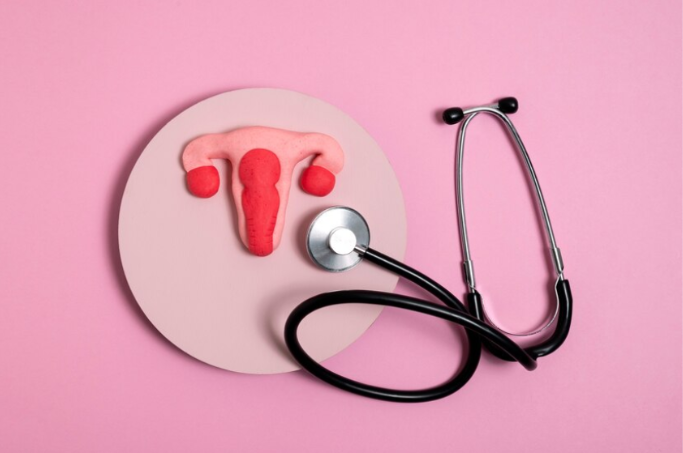
The onset of PCOS results in the formation of multiple cysts on the ovaries, in a ‘string of pearls’ pattern, and an excessive production of androgens (male hormones), which can cause increased growth of facial and body hair. This excessive androgen and testosterone prevents the ovaries from releasing an egg in monthly cycles, which leads to irregular menstrual cycles. The hormonal imbalance can also result in insulin resistance, a key indicator of the disease. PCOS can also occur as an after-effect of some medicines.
Common signs of PCOS
- Irregular periods
- Anxiety & depression
- Infertility
- Insulin resistance
- Cyst in ovaries
- Severe acne
- Excessive facial & body hair
A PCOS Foundation report states that five to ten percent of women of childbearing age suffer from PCOS, but less than 50 percent of them are diagnosed. So, this hormonal disease that is responsible for 70 percent of infertility problems in women who have trouble ovulating remains undiagnosed, and the victims are untreated.
“Type 2 diabetes eventually caused by insulin resistance, cholesterol, weight gain, and lipid anomalies, the heightened danger of cardiovascular issues, unusual uterine bleeding, and infertility owing to hormonal imbalance, depression and increased threat of uterine cancer because of contact with unrestricted estrogen are some of the detrimental effects of untreated and undiagnosed PCOS,” said Dr Patil.
The PCOS Foundation report states that nearly 40 percent of patients with diabetes and/or glucose intolerance between the ages of 20 and 50 suffer from PCOS.
What is the treatment to cure a patient of PCOS?
Meghana Joshi was told to reduce her weight first. “I developed PCOS at such a young age, primarily because my mother had it all her life. As a result, I directly came under the threat of PCOS. Besides, I have always been on the heavy side. My doctor said that weight loss is the first line of treatment as it improves menstrual abnormalities,” Joshi said. She started exercising regularly, adopted a healthy diet, and changed her lifestyle.
What is PCOS?
Polycystic Ovarian Syndrome (PCOS), or Stein-Leventhal Syndrome, is one of the most common hormonal endocrine disorders in women, marked by an imbalanced production of the hormones estrogen and progesterone. This leads to the growth of ovarian cysts.
Include these foods in your diet:
- Good fats like almonds and walnuts
- Lean meat like chicken
- Green leafy vegetables
- Protein-rich food like egg white, soya, tofu etc
- Fruits in limited quantities
- Low-fat milk and milk products
Sports and clinical nutritionist Anushree Shetty prescribes a diet low in refined carbohydrates, along with regular exercise, to combat PCOS. “It is extremely necessary for women afflicted by PCOS to include fibre in their diet, as it helps in weight loss and the burning up of excess calories. They must also consume omega-3 fats in fish and flax seeds and avoid all sugary and refined foods like maida and bakery products. Soya is a good option as it helps balance estrogen levels in the body,” Shetty said.