Osteoporosis and Its Food Cure
Osteoporosis, a clinical condition that weakens bones, is more commonly seen in women than in men. A slight change in your diet will do wonders in combating the ailment. Ishani Bose brings you The causes of this disease and preventive measures one should take to keep it at bay.
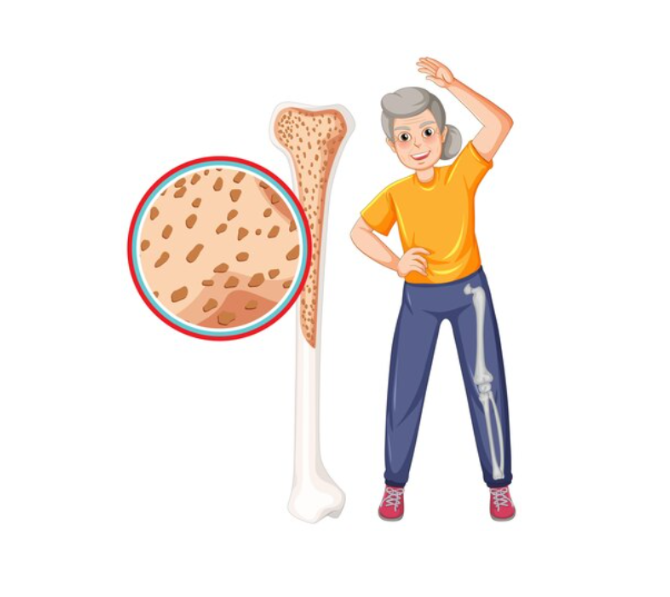
Pooja Kulkarni, 51, had been complaining of acute knee problems for several months. After numerous visits to the doctor and repeated tests and X-rays, it was finally confirmed she was suffering from acute osteoporosis– a condition identified by a decrease in the density of bones, thereby reducing their strength and resulting in them becoming fragile.
How is it caused?
According to the International Osteoporosis Foundation, one in every three women suffers from the disease worldwide, as against one in every five men. Clinical nutritionist Anushree Shetty attributes two significant reasons for this phenomenon: less muscle mass among women compared to men and menopause, which results in a lack of estrogen. “Muscles protect the bones, so less muscle mass invariably results in weaker bones. Also, lack of estrogen in women post-menopause causes bone density and muscle mass to decline. Also, high thyroid levels in the body (hyperthyroidism) can lead to bone loss,” Shetty says.
Add Proteins to your Diet.
While no permanent cure for osteoporosis exists, proper nutrition is vital in preventing, slowing down, or stopping its progress. “It mainly happens due to the body’s lack of calcium and Vitamin D. Hence, milk and milk products are the most apparent food choices. A glass of milk will give one between 127 and 150mg of calcium. Ideally, an adult needs around 600mg of calcium in a day. So, two or three glasses of milk in a day would be just perfect,” says nutritionist Ritika Samaddar.
Vegetarians do have options! Protein intake Though must: many argue that while non-vegetarians have many dishes to choose from, vegetarians have a handful of options, making their diet monotonous and boring. Celebrity chef Shailendra Kekade begs to differ. “There is a wide variety of dishes that vegetarians can opt for. Apart from the typical green leafy vegetables, tofu, soybean, and soy products, one can opt for oatmeal, chickpeas, kidney beans, other pulses, as well as asparagus, broccoli, and mushrooms. While most people consider walnuts the highest source of protein, they don’t know that peanuts contain even more proteins than the former. Also, vegetables like green peas, potatoes, and sweet potatoes should be a part of one’s protein-rich diet.”
He adds that the water produced by hanging curd to make ‘shrikhand’ is also an excellent source of proteins one can opt for. Items that accelerate bone loss are high-sugar foods; most physicians and nutritionists consider these a ‘strict no-no’ for osteoporosis patients.
Things you should avoid consuming
- Alcohol
- Cigarettes
- Carbonated beverages
- High sugar foods
- Caffeine
Things you should include in your diet
Potassium
Eating a diet rich in potassium helps slow down the bone mineral density decrease that occurs with aging. Coconut water is also a rich source of potassium.
Vitamin D
Calcium relies on vitamin D to help it travel to the parts of the body that need it. The best sources are fatty fish, including salmon, herring, mackerel, and sardines, milk, soy milk, yogurt; and UV-treated mushrooms.
Magnesium
This mineral plays a supporting role in treating and preventing osteoporosis. Get magnesium from pumpkin seeds, quinoa, millet, brown rice, spinach, cashews, sesame seeds, flaxseed, and wheat germ.
Vitamin C
It enables the body to produce collagen, a protein that contributes to bone strength and integrity. Strawberries, oranges, lemons, grapefruit, guava, and mangoes are rich in vitamin C.
Vitamin K
This vitamin is essential for the formation of osteocalcin, a type of protein found only in bone. Consuming vitamin K-rich foods may help slow bone loss and reduce your risk of damaging a bone later in life.
However, most chefs believe that excluding sugar from a patient’s diet is not a wise or practical option. “Too much of everything is bad; however, if sugar is consumed proportionally, it need not be harmful. Fresh fruit tarts made with less sugar could thus satisfy the patients’ sugar cravings,” says Anurudh Khanna, executive chef at The Westin Hotel.