Industry Should be the First to Go Green
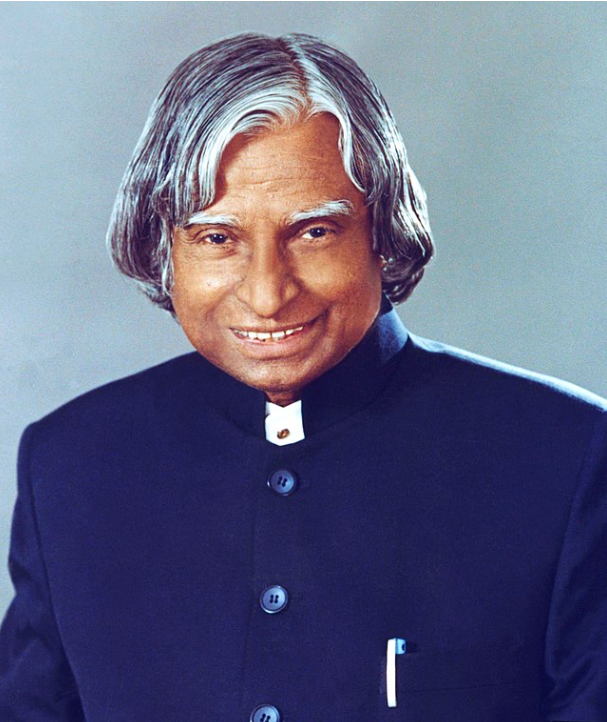
Riding on the green wave, many manufacturing companies have recently been adopting eco-friendly and environmentally sustainable measures. Simplifying what goes on behind the scenes and stressing the need to do so was former president Dr APJ Abdul Kalam. He was in Pune to address the industry representatives and leaders of the green initiatives at the Green Company Summit organised by the Confederation of Indian Industry.
Calling for a ‘liveable’ earth, Kalam emphasised using solar and wind energy in manufacturing. He also recommended companies to harvest rainwater. Most importantly, he stressed the importance of using the fifth energy source (after wood, oil, solar, and wind) – energy efficiency. “Saving energy is the fifth and most important energy source in these times,” he said. Kalam elaborates on it: “In the power distribution alone, the losses are over 40% in many states. There is immense scope for energy efficiency at household levels ranging from cooking fuels to smart buildings, which can save up to 50% of the energy consumption.”
Citing an example of Germany, one of the leading manufacturers in the world, Kalam pointed out how India fails at judiciously using energy. According to research, the present energy consumption in India is 300-kilowatt hours (kWh) per metre square annually, as against Germany, where the consumption is only 50 kWh per metre square annually, thanks to the strict energy codes. Urging the architects, builders, energy engineers, industrialists, scientists, technologists, and humanists to focus on sustainable development, he said that India should strive to target 100 kwh per metre square annually within the next five years. “We need to concentrate on waste management, land management, water conservation, recycling and bring different disciplines of science together to realise a more eco-friendly sustainable development system,” Kalam opined.
The first sign of modernisation is buildings, which Kalam said should be the starting point of change. Stating that buildings use 50% of global energy, he pointed to emerging trends of intelligent buildings that entail modern technology, innovative materials and eco-friendly designs. “For instance, the hollow building material made out of fly ash is not only more environmentally friendly but also a better insulator of heat and cold,” he said.
Talking about solar power, Kalam suggested that the government should form a national policy to provide proper apparatus for solar-panelled houses to the estimated 60 million homes that do not have access to electricity. “Once these dwellings are provided solar electricity, it can further be extended to the remaining 140 million houses that India comprises,” he said. Kalam added that it would also bring a vibrant solar panel industry, generating more employment opportunities.
He further insisted on creating an idea bank where employees can provide innovative solutions for energy-efficient operations. Finally, he also stressed installing energy-efficient nano lamps, energy-efficient heating, and AC systems in the enterprise.